Who Can Legally Change the Locks on an Ontario Rental?
Ontario has clear rules about rental locks, and most of the advice online is American and wrong. Here is what actually applies, for both sides.
Written by the Locksmith Vaughan Ontario team, a mobile locksmith service covering Vaughan and the surrounding GTA. Last reviewed .
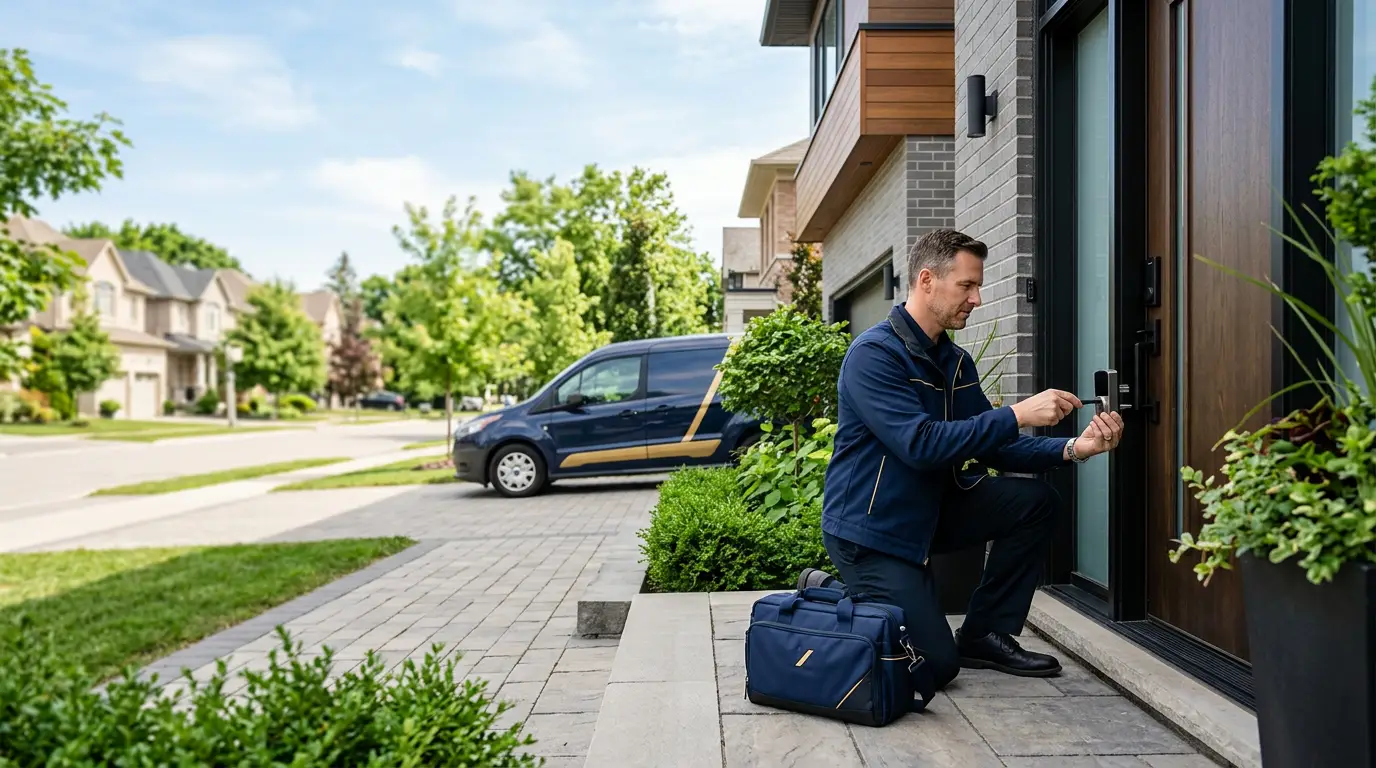
In Ontario, the Residential Tenancies Act, 2006 sets out two rules that matter most. A landlord may not alter the locking system on a door giving entry to a rental unit during a tenancy unless the landlord gives the tenant replacement keys. A tenant may not alter the locking system on that same door without the landlord's consent. Those two sentences settle the majority of lock disputes between landlords and tenants in this province.
This matters because most lock advice online is written for the United States, where the rules differ by state and often contradict Ontario law. If you are in Vaughan or anywhere else in Ontario, the Residential Tenancies Act is what applies. What follows is general information rather than legal advice, and the Landlord and Tenant Board is the authority for anything disputed.
Can a landlord change the locks while you live there?
A landlord can change the locks during a tenancy, but only if the tenant is given replacement keys. Changing the locks and withholding the keys is how a lockout happens, and that is not permitted. The tenant's right to enter their home does not depend on the landlord's goodwill or on whether rent is currently owed.
Can a landlord lock out a tenant who has not paid rent?
No. In Ontario a landlord cannot evict a tenant by changing the locks, regardless of arrears. Eviction requires an order from the Landlord and Tenant Board, and only the Court Enforcement Office, commonly called the Sheriff, can enforce that order. Unpaid rent is dealt with through the Board, not through the lock. A tenant who has been locked out should contact the Landlord and Tenant Board promptly.
Can a tenant change the locks without telling the landlord?
Not on a door giving entry to the unit. A tenant needs the landlord's consent to alter that locking system. In practice, landlords frequently agree when the tenant has a reasonable safety concern, and the common resolution is that the lock is rekeyed and the landlord receives a working key. That satisfies both sides: the tenant retires any keys held by previous occupants, and the landlord keeps lawful access for emergencies and inspections.
Should landlords rekey between tenancies?
The Act does not require a landlord to change locks between tenancies, but doing so is widely considered good practice and it is inexpensive. Rekeying a unit at turnover retires every key held by the previous tenant, their family, and anyone they gave a copy to. Because rekeying reuses the existing hardware, it costs far less than replacing locks and takes a fraction of the time.
Who pays for a lockout or a lost key?
Responsibility usually follows the cause. If a tenant loses their keys and needs to be let back in, that is normally the tenant's cost. If a lock fails through age or wear, that is normally the landlord's responsibility as part of maintaining the unit in a good state of repair. Where the tenancy agreement addresses this, its terms matter, provided they do not conflict with the Act. Disagreements go to the Landlord and Tenant Board rather than being decided by whoever holds the keys.
What about condos, rooming houses, and short-term rentals?
A rented condominium unit is still a tenancy under the Act, so the same lock rules apply between landlord and tenant, with the condominium corporation separately controlling common areas, fobs, and building entry. Some living arrangements fall outside the Act entirely, including certain situations where the occupant shares a kitchen or bathroom with the owner. If you are unsure whether the Act covers your arrangement, confirm with the Landlord and Tenant Board before acting.
The practical summary
- Landlord changing locks during a tenancy: allowed, but the tenant must get replacement keys
- Landlord locking a tenant out to force them to leave: not permitted, eviction requires a Board order enforced by the Sheriff
- Tenant changing locks on the unit door: needs the landlord's consent
- Common compromise: rekey the unit and give the landlord a working key
- Between tenancies: not legally required, but rekeying is cheap and sensible