Rekey or Replace Your Locks? A Vaughan Homeowner's Guide
Rekeying and replacing locks solve different problems. Here is a clear framework for picking the right one for your home, with the cost and security trade-offs spelled out.
Written by the Locksmith Vaughan Ontario team, a mobile locksmith service covering Vaughan and the surrounding GTA. Last reviewed .
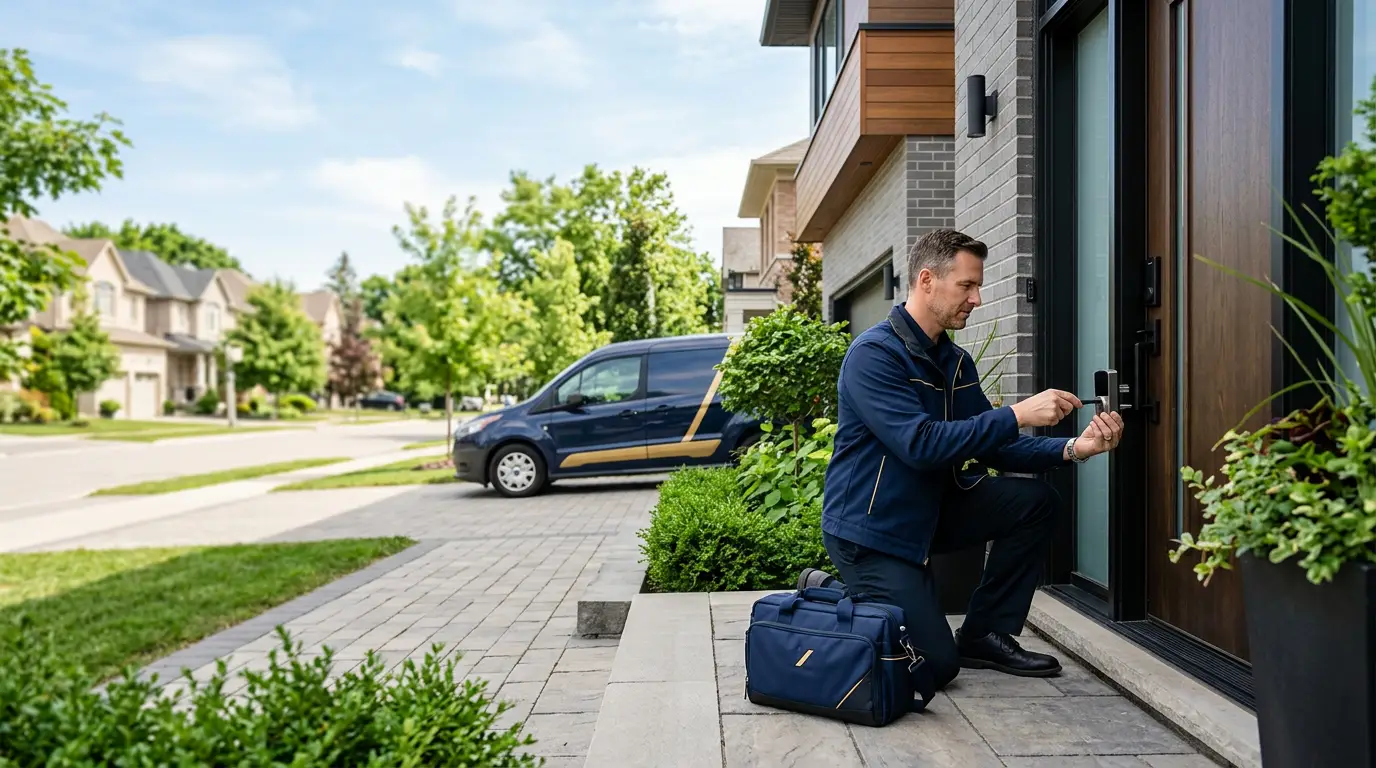
If you just took possession of a home in Vaughan, lost a set of keys, or had a tenant move out, you are facing the same decision thousands of homeowners face every year: should you rekey the locks or replace them entirely? Both restore your sense of control, but they cost different amounts, take different lengths of time, and solve genuinely different problems. Choosing the wrong one usually means paying more than you needed to, or leaving a security gap you thought you had closed.
This guide walks through exactly how each option works, what each one costs in practice, and a simple checklist you can use to decide in about two minutes.
What rekeying actually does
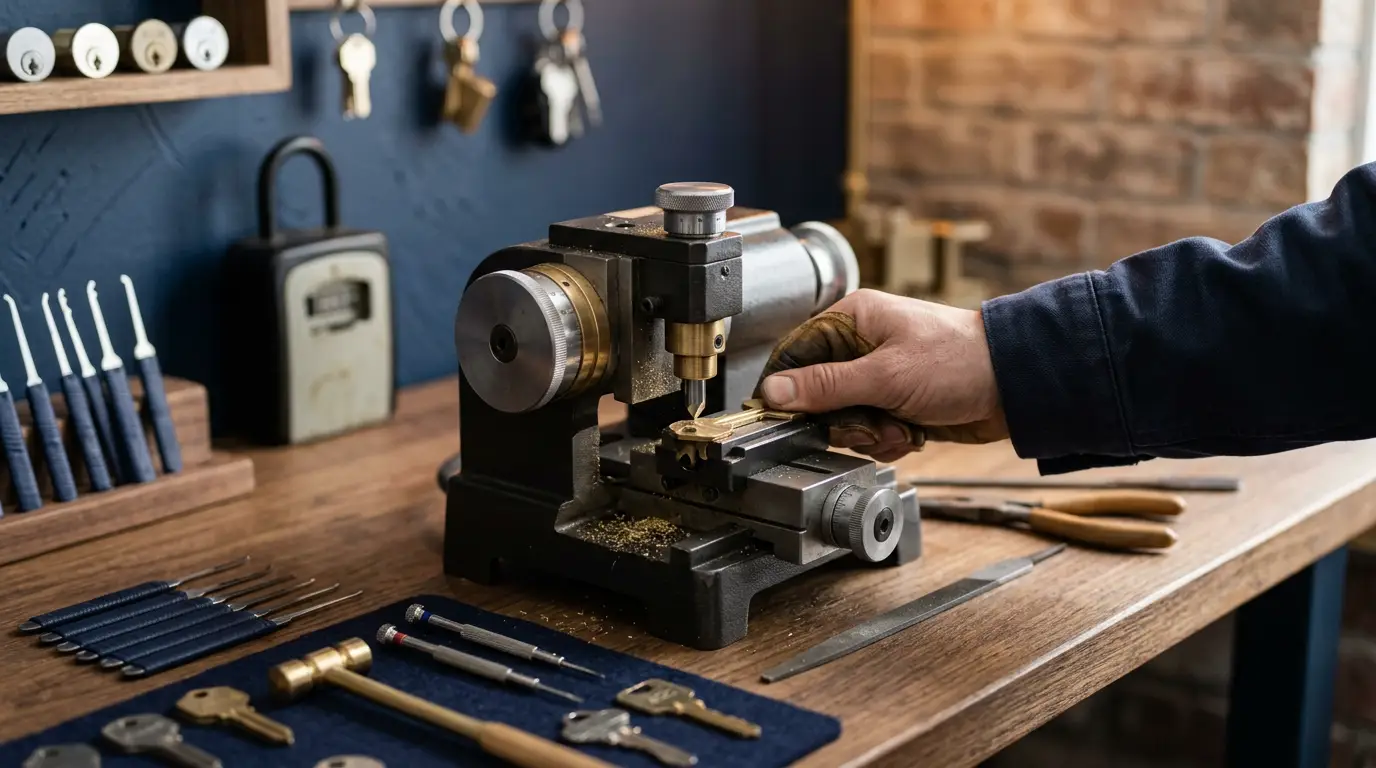
Every pin-tumbler lock contains a stack of small spring-loaded pins that have to line up at a precise height for the cylinder to turn. Your key is simply a tool cut to push those pins to exactly the right heights. Rekeying means a locksmith removes the cylinder, swaps the pins for a new combination, and cuts a fresh key to match. The lock body, the deadbolt, the handle, and everything you can see on the door stays exactly where it is. Only the internal combination changes, which means every old key stops working instantly.
Because the locksmith reuses your existing hardware, rekeying is fast and affordable. It is the right move when the lock itself is in good shape and your real concern is key control, in other words, you simply do not want old keys opening your door anymore.
- You just bought or moved into a home and have no idea how many keys are floating around with past owners, agents, cleaners, or contractors
- Keys were lost or stolen and you want them rendered useless tonight
- A tenant, roommate, house cleaner, or employee moved on
- You have several different keys and want one key to open every exterior door (this is called keying alike)
What replacing a lock does
Replacement swaps out the physical hardware itself for a new lock. It costs more than rekeying because you are paying for the new lockset plus the labour to install it, but it is the correct choice when the hardware is failing or when the whole point is to upgrade.
- The lock sticks, grinds, feels loose, or the key is getting harder to turn
- The hardware is old, rusted, or has visibly worn down over years of use
- You want a higher grade of security, such as a Grade 1 deadbolt or a bump-resistant cylinder
- You are switching to a keypad, smart, or keyless lock for app and code access
- You are renovating and want the door hardware finish to match a new look
Does rekeying make my home less secure than a new lock?
This is the most common worry, and the answer is reassuring: a properly rekeyed lock is exactly as secure as it was the day it was installed, because the mechanism is identical. The security grade of a lock comes from its build quality, not from whether it was rekeyed. So if you already own a solid deadbolt, rekeying keeps that same protection while giving you a brand new key that nobody else has. The only time replacement improves security is when you are moving up to better hardware than what is currently on the door.
Cost and time, in plain terms
Rekeying is almost always cheaper and faster than replacing every lock, because the locksmith reuses your hardware and only changes the pins. A typical home with a few exterior doors can usually be rekeyed in a single short visit, and keying everything to one key adds very little. Replacement costs more because you are buying hardware, and the price climbs with the grade of lock and any smart features. The honest rule of thumb: if the hardware is fine, rekey it; if you would have replaced the hardware soon anyway, fold that into the decision now.
Your two-minute decision checklist
- Is the lock in good working condition? If yes, lean toward rekeying
- Is your only goal making old keys stop working? Rekeying is the cheaper fix
- Do you want one key for every door? Ask for rekeying with keyed-alike cylinders
- Is the hardware worn, dated, or low quality? Replacement is worth it
- Do you want keypad, smart, or keyless entry? That means replacement
- Not sure? Describe your doors and locks on the phone and a locksmith can tell you the cheaper correct answer before arriving
The bottom line for Vaughan homeowners
For most people moving into a Vaughan home, rekeying every exterior door to a single new key is the most cost-effective first step. It closes the key-control risk from previous owners immediately, costs far less than replacing hardware, and gives you the convenience of one key. Save replacement for the doors where the hardware is genuinely tired or where you want a real upgrade.