'Do Not Duplicate' Keys: What That Stamp Really Means
That 'Do Not Duplicate' stamp is more of a polite request than a real rule, except when the key is genuinely restricted. Here is how to tell the difference and how to actually control copies.
Written by the Locksmith Vaughan Ontario team, a mobile locksmith service covering Vaughan and the surrounding GTA. Last reviewed .
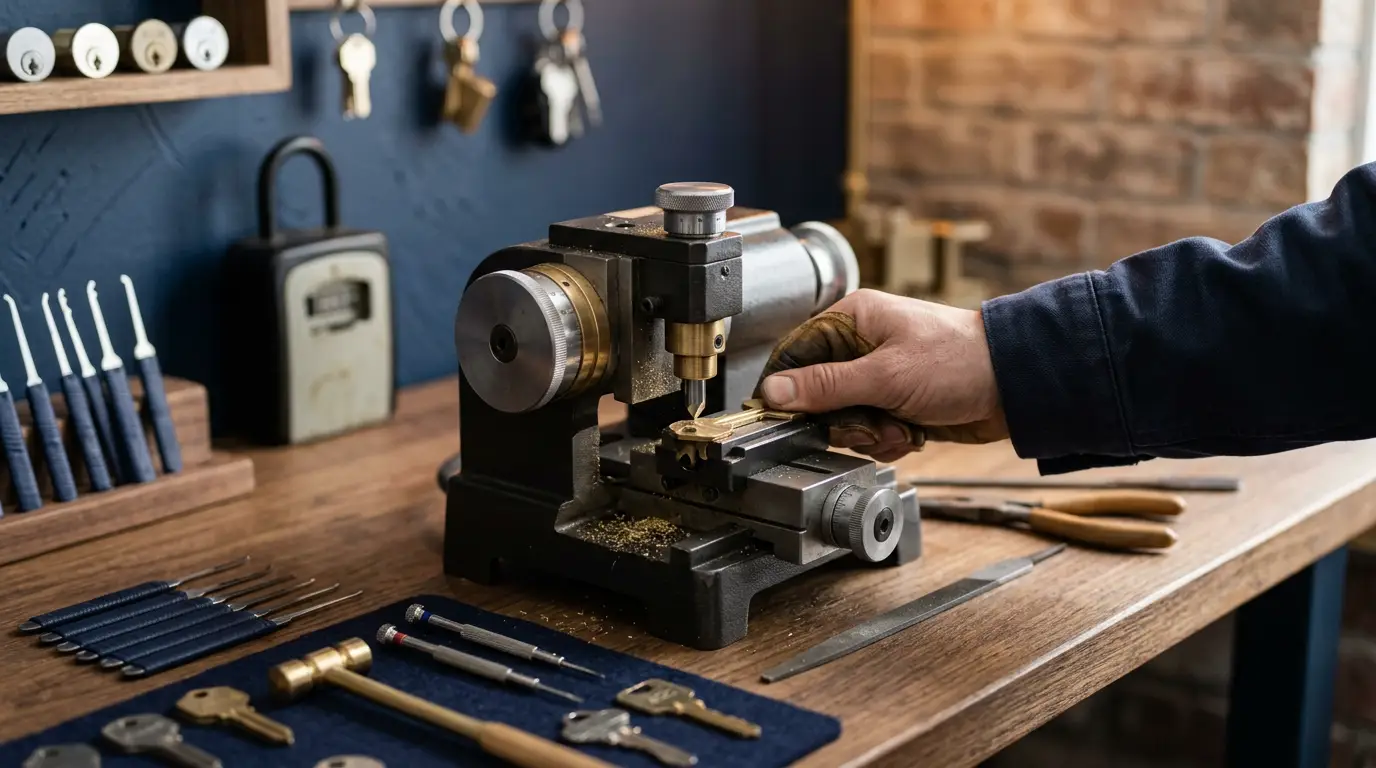
Plenty of keys carry a small Do Not Duplicate stamp, usually abbreviated to DND, and it leaves people unsure whether they are even allowed to get a spare. The short version: on an ordinary key, it is a request rather than a legal restriction. But there is an important exception that genuinely does control copying, and understanding the difference tells you whether you can get a copy and, more importantly, how to actually keep your keys from being duplicated.
What the stamp really means
A Do Not Duplicate stamp on a standard key has no legal force. It was introduced decades ago to discourage casual copying, but it does not change who owns or controls the key, and standard blanks are widely available. Many locksmiths will still copy a standard DND key for the rightful owner, because the stamp is a suggestion printed on a normal, unprotected key. In other words, the stamp relies on people choosing to honour it, which is exactly why it is not real security.
When a key is genuinely restricted
Real control comes from restricted and patented key systems, not from a stamp. These keys use protected keyways and patented designs, so the blanks are not sold on the open market. To get a copy, you have to go through the system provider and prove you are authorized. That is why they are common in offices, apartment buildings, medical settings, and anywhere it matters that keys cannot be quietly duplicated at a hardware store.
- Standard key with a DND stamp: usually copyable for the owner, because the blank is unprotected
- Restricted key: requires authorization and a controlled blank that is not sold openly
- Patented key: protected by design, so copies must come through the system provider
- High-security key: combines restricted keyways with extra resistance to picking and bumping
How to tell which kind you have
If your key was cut at a hardware store or came with a typical residential lock, it is almost certainly a standard key, stamp or not. If you received it from a building manager, a security company, or with paperwork and a card you have to present to get copies, it is likely part of a restricted system. When in doubt, a locksmith can look at the key and the keyway and tell you immediately whether it can be copied and what is required.
The better question than can I copy it
If your real worry is who already has copies of your key, duplication is not the issue you should focus on. Key control is. A stamp will never stop a determined person from copying a standard key, but two approaches genuinely will. First, rekeying invalidates every existing copy at once, so any keys you do not control simply stop working. Second, moving to a restricted key system means future copies can only be made with your authorization. Together they give you actual control rather than a printed request.
What to do next
If you just need a working spare of a standard key, a locksmith can usually cut one quickly. If you are trying to lock down who can make copies, ask about rekeying or a restricted system instead. Either way, describe your situation and the key, and a locksmith can point you to the option that actually solves it.